
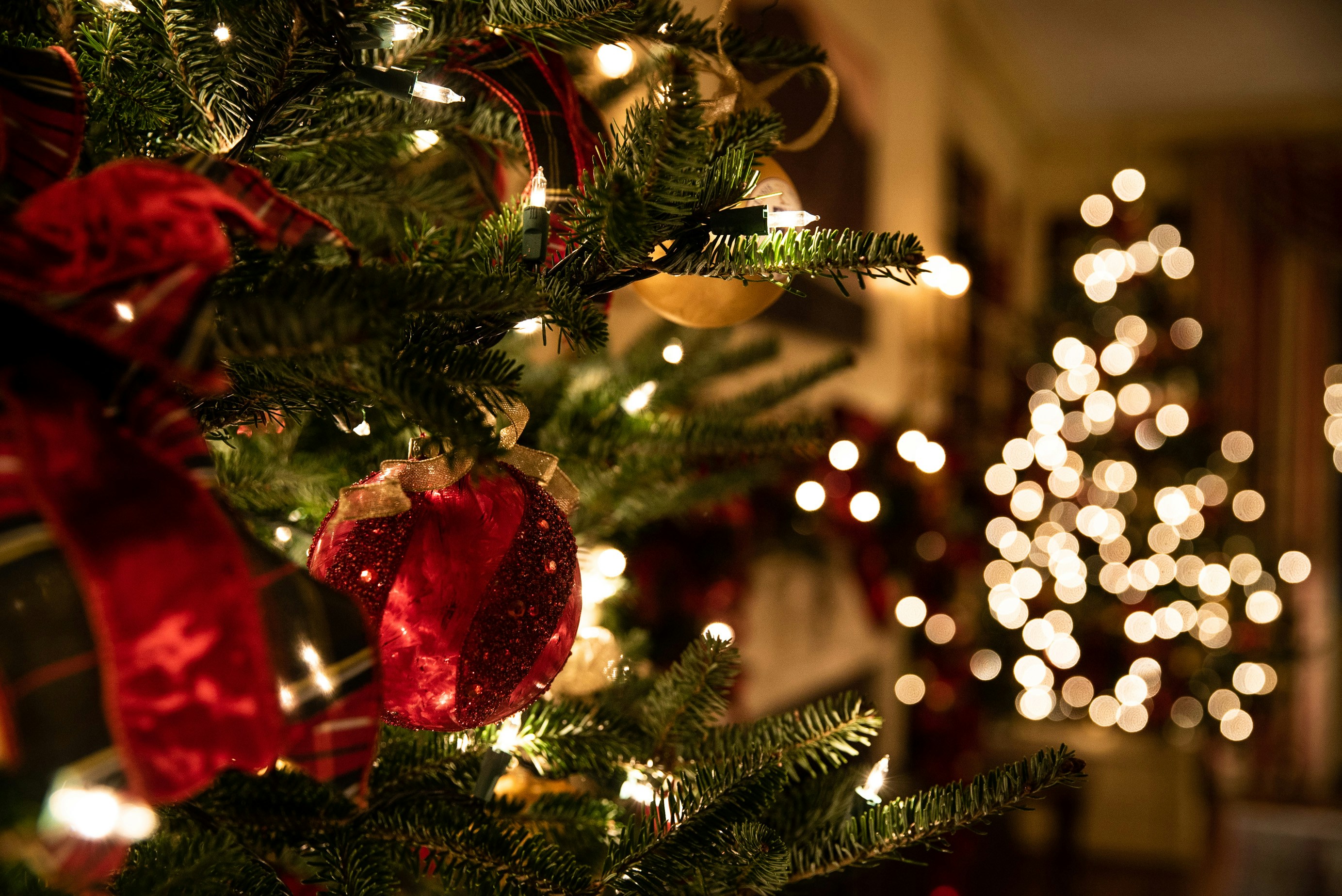
Christmas Around the World, Shared Traditions, Folklore, and Festive Differences
Across continents and cultures, Christmas is celebrated in beautifully diverse ways, yet at its core, the season reflects a shared human desire for connection, generosity, and time spent with loved ones. From sacred religious observances to folklore filled festivals and abundant family meals, Christmas traditions reveal how history, faith, and local culture shape the holiday. While customs vary widely, the themes of togetherness, storytelling, and celebration unite families around the world.
Europe, Traditions Rooted in Faith and Folklore
In much of Europe, Christmas blends Christian observance with centuries old folklore. In Austria, Germany, and parts of Central Europe, the legend of Krampus appears alongside Saint Nicholas during early December. Traditionally, Krampus served as a cautionary figure, representing consequences for misbehavior, but today, Krampus parades have evolved into theatrical community celebrations featuring elaborate costumes and music.
In Eastern Europe, Christmas traditions are deeply spiritual and family centered. In Russia, Christmas is celebrated in January, following the Julian calendar. The holiday features Ded Moroz, or Grandfather Frost, a folklore figure who delivers gifts with his granddaughter, Snegurochka. Families observe a solemn Christmas Eve meal with symbolic dishes representing faith, remembrance, and prosperity, followed by church services and storytelling that honor heritage and ancestors.
South America, Faith, Family, and Festive Gatherings
South American Christmas traditions blend European Catholic influence with regional customs, placing a strong emphasis on faith, family, and communal celebration. Throughout countries such as Colombia, Ecuador, Peru, Venezuela, and Brazil, families prepare elaborate nativity scenes, known as nacimientos, which often serve as the centerpiece of the home during the season.
Christmas Eve, or Nochebuena, is the most important celebration, with families gathering late into the night for large festive meals. Midnight mass, known as Misa de Gallo, is widely attended and followed by music, fireworks, and continued celebration. Candlelight traditions, such as Colombia’s Día de las Velitas, mark the beginning of the Christmas season, illuminating neighborhoods with candles and lanterns in honor of the Virgin Mary.
Traditional foods vary by region but commonly include tamales, lechón, or roasted meats, rice dishes, and festive breads such as panettone, which arrived through Italian influence. Drinks like coquito and regional fruit beverages are shared among family members. In many areas, gifts are brought by Niño Dios, or the Christ Child, reinforcing the religious significance of the holiday, while Santa Claus also appears in more modern celebrations. Extended novenas, or nightly prayers leading up to Christmas Day, strengthen family bonds and community ties.
North America, Blended Traditions and Modern Celebrations
In North America, Christmas traditions combine European customs with contemporary influences. Families decorate Christmas trees, exchange gifts, and gather for shared meals, while communities host parades, charity drives, and seasonal events. While religious observances remain important for many, the holiday is also widely celebrated as a cultural tradition centered on family togetherness, generosity, and reflection.
Africa, Community Centered Celebrations
Across many African countries, Christmas is celebrated with an emphasis on faith, generosity, and community rather than commercial traditions. Church services, music, and dance play a central role, followed by large shared meals. Families often travel long distances to reunite, marking the holiday as one of the most important times of the year for togetherness and giving.
Asia, Light, Reflection, and Family Connection
In parts of Asia, Christmas is celebrated both as a religious holiday and a cultural event. In the Philippines, Christmas begins as early as September and is one of the longest celebrations in the world. Families attend early morning Simbang Gabi church services, decorate homes with parol lanterns, and gather for late night meals that extend into joyful reunions.
In other regions, Christmas is observed more secularly, with lights, gift giving, and shared meals emphasizing kindness, family, and celebration regardless of religious background.
Shared Traditions and Joyful Differences
Despite differences in folklore, food, and rituals, Christmas traditions around the world share remarkable similarities. Families gather across generations, meals are prepared with care, and stories, whether sacred, historical, or mythical, are passed down. Folklore figures such as Krampus, Ded Moroz, or Niño Dios add cultural depth, reminding us that imagination, storytelling, and tradition are as meaningful as gifts.
A Season That Unites Us All
Ultimately, Christmas is less about how it is celebrated and more about why. Whether through quiet reflection, lively festivals, ancient folklore, or modern traditions, the season invites people everywhere to slow down, reconnect, and celebrate the bonds that matter most. Across cultures and continents, Christmas remains a powerful reminder that while our customs may differ, the joy of family, community, and togetherness is universal.