
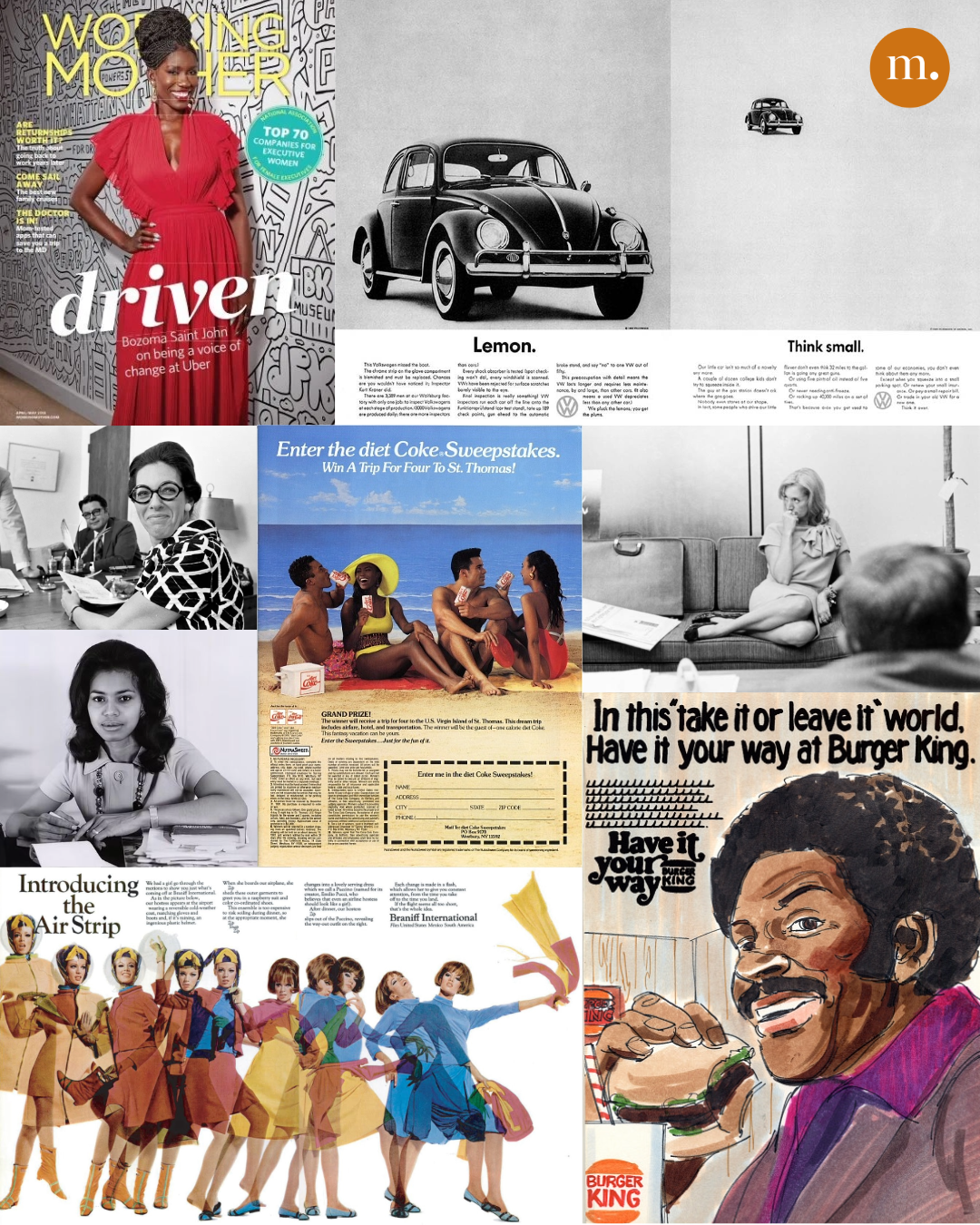
The advertising industry didn’t evolve by accident, it was reimagined by people willing to challenge its assumptions, rewrite its rules, and expand its perspective. Among those forces are women who didn’t just participate in the industry, they reshaped it. From breaking barriers in the 1960s to redefining culture-driven marketing today, these five leaders built the foundation modern brands still stand on.
Caroline Jones (1942-2001)
Before diversity became a marketing priority, Caroline Jones was already building it into the industry’s DNA. As one of the first black women in advertising leadership and founder of Zebra Associates, she is best known for creating culturally informed campaigns that spoke authentically to black consumers, a market long overlooked by mainstream brands. Her impact went beyond messaging, it reshaped strategy. Jones proved that cultural insight isn’t a niche tactic; it’s a growth driver. By helping major brands recognize the economic power and influence of black audiences, she expanded how companies approached segmentation, media planning, and brand voice. What was once ignored became essential.
Mary Wells Lawrence (1928-2024)
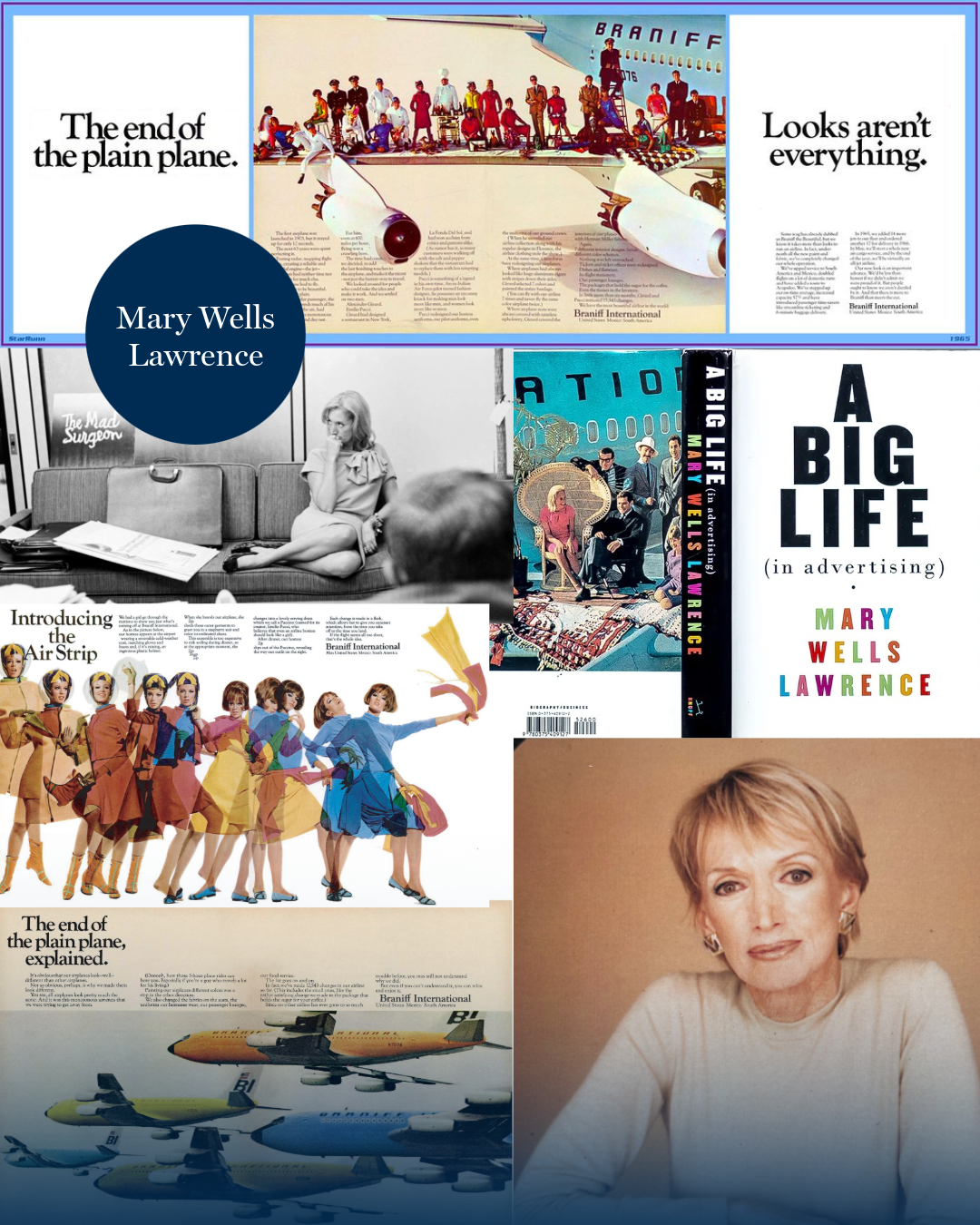
Mary Wells Lawrence didn’t just create ads, she turned them into cultural moments. As the founder of Wells Rich Greene and the first woman to lead a company listed on the NewYork Stock Exchange, she is best known for bold, emotionally driven campaigns that broke awayfrom the industry’s conservative norms. From the vibrant rebranding of Braniff International Airways to the iconic “I ♥ NY” campaign, her work proved that advertising could be both artistic and commercially powerful. Her innovation was in elevating creativity to the center of business strategy. At a time when advertising leaned heavily on rational selling, Wells Lawrence introduced spectacle, storytelling, and feeling that transformed brands into experiences people could connect with. She showed that when creativity leads, results follow. Her impact reshaped expectations across the industry. Agencies began to think bigger, take risks, and treat campaigns as platforms for cultural influence, not just promotion.
Phyllis Robinson (1921-2010)
Phyllis Robinson helped define the voice of modern advertising through clarity, honesty, and effectiveness. As the first chief copywriter at Doyle Dane Bernbach, she is best known forshaping some of the most influential campaigns in history, including Volkswagen’s “Think Small” and Avis’s “We Try Harder”. At a time when ads were loud and overly polished, Robinson introduced something radical, truth. Her innovation was redefining how brands communicate. She proved that smart, understated copy could be more persuasive than exaggerated claims and used wit, simplicity, and self-awareness to build trust with audiences. This approach didn’t just stand out, it set a new standard for modern advertising. Robinson also helped establish copywriting as a strategic discipline, not just a supporting role, ensuring that words carried as much weight as visuals in shaping brand identity and consumer perception.
Cindy Gallop (1960-2011)
Cindy Gallop made her mark by questioning the norms of advertising and actively building new models for what it could become. Best known as the founder of IfWeRanTheWorld, she was an early advocate for participatory marketing long before “engagement” became a metric. Her work repositioned advertising as a collaborative experience shaped by audiences rather than a one-way message delivered to them. Her innovation lies in dismantling the traditional agency model. Gallop pushed for faster, morecollaborative, and more culturally aware approaches, recognizing early that digital platforms would shift power away from brands and toward consumers. She encouraged brands to co-create with their audiences, making marketing more dynamic, transparent, and relevant. Beyond her work in advertising, she’s known for being an outspoken voice on inclusion, representation, and the need for the industry to reflect the real world it markets to. More importantly, she translates that perspective into actionable change, building frameworks that push the industry forward, not just call it out.
Bozoma Saint John (1977-present)
Bozoma Saint John redefined what it means to lead a brand in a culture-driven world. Known for her leadership roles at Apple Inc., Uber, and Netflix, she built a reputation for bringing bold storytelling, emotional depth, and cultural relevance into every brand she touched. Her innovation lies in merging identity with strategy. Saint John recognized that modern audiences don’t just buy products, they align with values, stories, and experiences. She pushed brands to show up with authenticity, embracing individuality and cultural nuance rather than defaulting to safe, generic messaging. Her impact extends beyond campaigns. She helped shift executive leadership itself, proving that personality, perspective, and lived experience are strategic assets in shaping brand direction. By bringing her full identity into the room, she challenged the idea that leadership must be neutral or uniform, and instead demonstrated that authenticity drives stronger, more resonant brand decisions. In doing so, she elevated marketing from a functional role to a cultural force that influences not just how brands communicate, but how they show up in the world.
These women didn’t just influence advertising—they expanded what it could be. Caroline Jonesmade it more inclusive. Mary Wells Lawrence made it more expressive. Phyllis Robinson made it more honest. Cindy Gallop made it more participatory. Bozoma Saint John made it more culturally fluent. Together, they map the evolution of the industry—from access to creativity,from clarity to disruption, and ultimately to cultural leadership. The takeaway for brands today is straight forward: the future of advertising belongs to those who don’t just speak louder, but understand people better.