
Search has transformed. Not slowly, but structurally.
AI driven platforms like ChatGPT, Google AI Overviews, and voice assistants are redefining how people discover brands. Users are no longer scanning a list of links. They are receiving direct answers. Your brand is either part of that answer or it is absent. This is where Generative Engine Optimization steps in.
What is SEO?
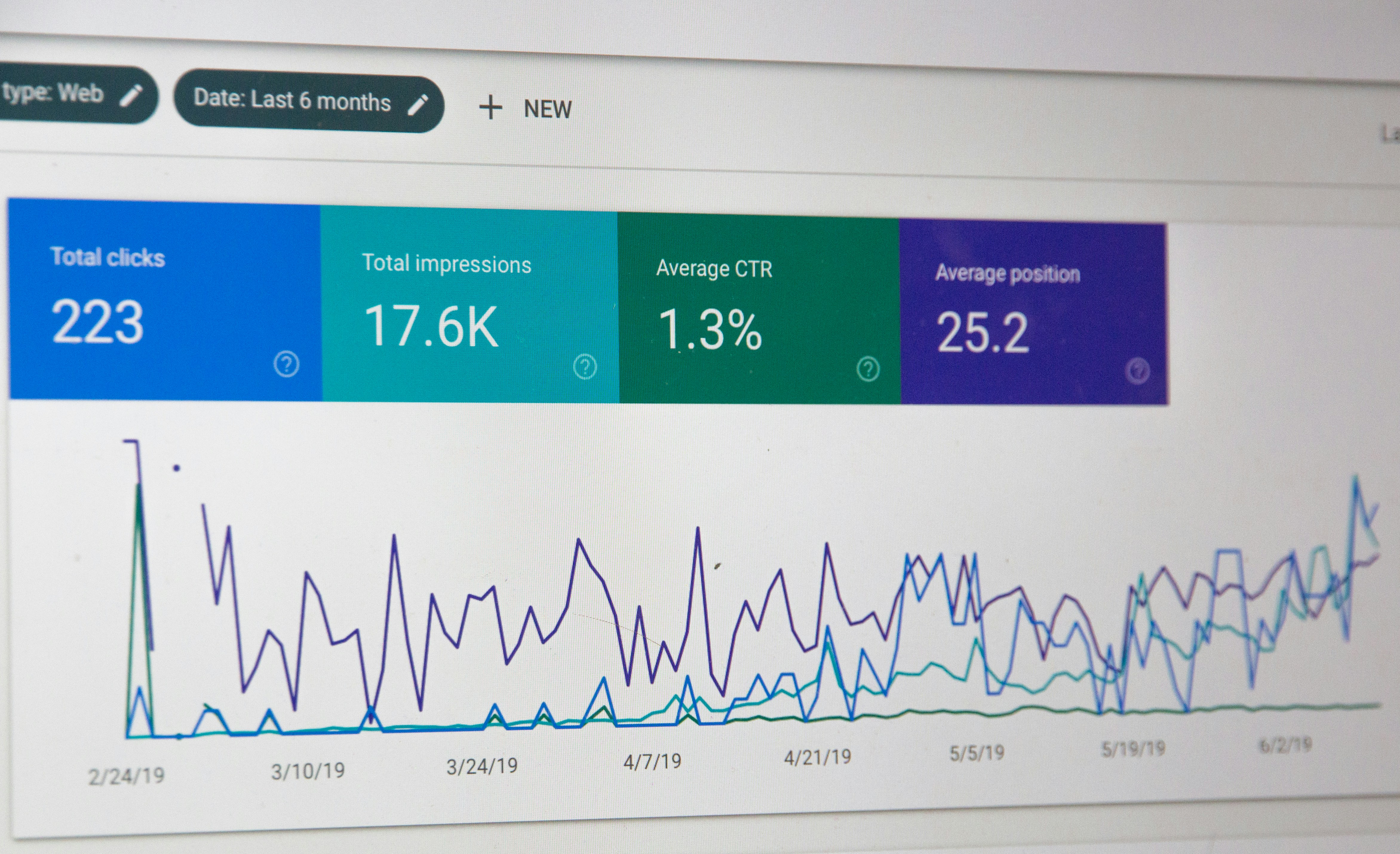
Search Engine Optimization is the foundation of digital visibility. It ensures your website ranks in traditional search engines like Google. SEO operates through keyword alignment such as digital marketing agency, branding firm services, or website design company. It relies on technical performance including site speed and mobile responsiveness. It builds authority through backlinks and domain credibility. It organizes content through structured headers, metadata, and schema. The objective is simple. Drive traffic by ranking higher. For advertising agencies and marketing firms, SEO has historically been the primary engine of growth. Ranking for phrases like marketing agency near me or full service marketing firm in Knoxville directly correlates to inbound leads. But user behavior has shifted. Clicks are declining because answers are being delivered before a click is ever needed.
What is GEO
Generative Engine Optimization focuses on visibility inside AI generated responses. Instead of optimizing for a ranked list, GEO positions your content to be referenced, synthesized, and recommended within answers generated by AI systems. The objective is to make your brand the source that AI trusts. This includes platforms like ChatGPT, Google AI Overviews, and voice search systems.
SEO vs GEO: The Strategic Shift
SEO is about positioning within a list of results. GEO is about being embedded inside the answer itself. SEO relies on keywords, rankings, and technical signals. GEO relies on clarity, authority, and structured insight. SEO drives traffic. GEO drives influence. SEO earns the click. GEO earns the trust before the click even exists.
Why GEO Matters for Marketing Agencies
This is where the competitive advantage becomes clear. When a prospect asks what is the best marketing agency for branding and website design, they are no longer presented with a page of options. They are given a curated response. That response is built from content that demonstrates expertise, consistency, and clarity. If your agency content is not optimized for this environment, it is not part of the conversation.
The Benefits of GEO for Websites
GEO shifts your role from being one of many options to being part of the answer. Your content is not competing for attention. It is delivering the insight directly. It elevates trust because AI systems prioritize content that is structured, authoritative, and consistent. This positions your marketing firm as a strategic partner rather than a vendor. It future proofs visibility as search behavior continues to move toward conversational queries and zero click experiences. It improves lead quality because users who arrive have already engaged with your expertise before visiting your site. It multiplies content value since a single well structured piece can rank in search engines and also be referenced in AI generated responses.
How Marketing Firms Should Adapt
Content strategy needs to evolve beyond keyword targeting alone. Focus on answering real questions your audience is asking. Think in terms of how users phrase problems, not just how they search for services. Structure content in a way that is easy to interpret. Clear headings, defined sections, and direct explanations improve both human readability and AI comprehension. Build authority within specific areas such as branding strategy, integrated marketing campaigns, or website design and conversion strategy. Depth signals expertise. Use natural language that mirrors real conversations. AI prioritizes content that aligns with how people speak and ask questions. Integrate SEO and GEO together. SEO drives discovery while GEO drives selection and trust. SEO builds visibility. GEO builds authority. SEO helps people find you. GEO helps them choose you. For advertising agencies and marketing firms, this shift is not optional. It is the next phase of competitive positioning. The agencies that adapt will not just rank higher. They will be the ones shaping the answers that guide decisions.