

The Other World Cup: Which Brands Actually Scored in 2026
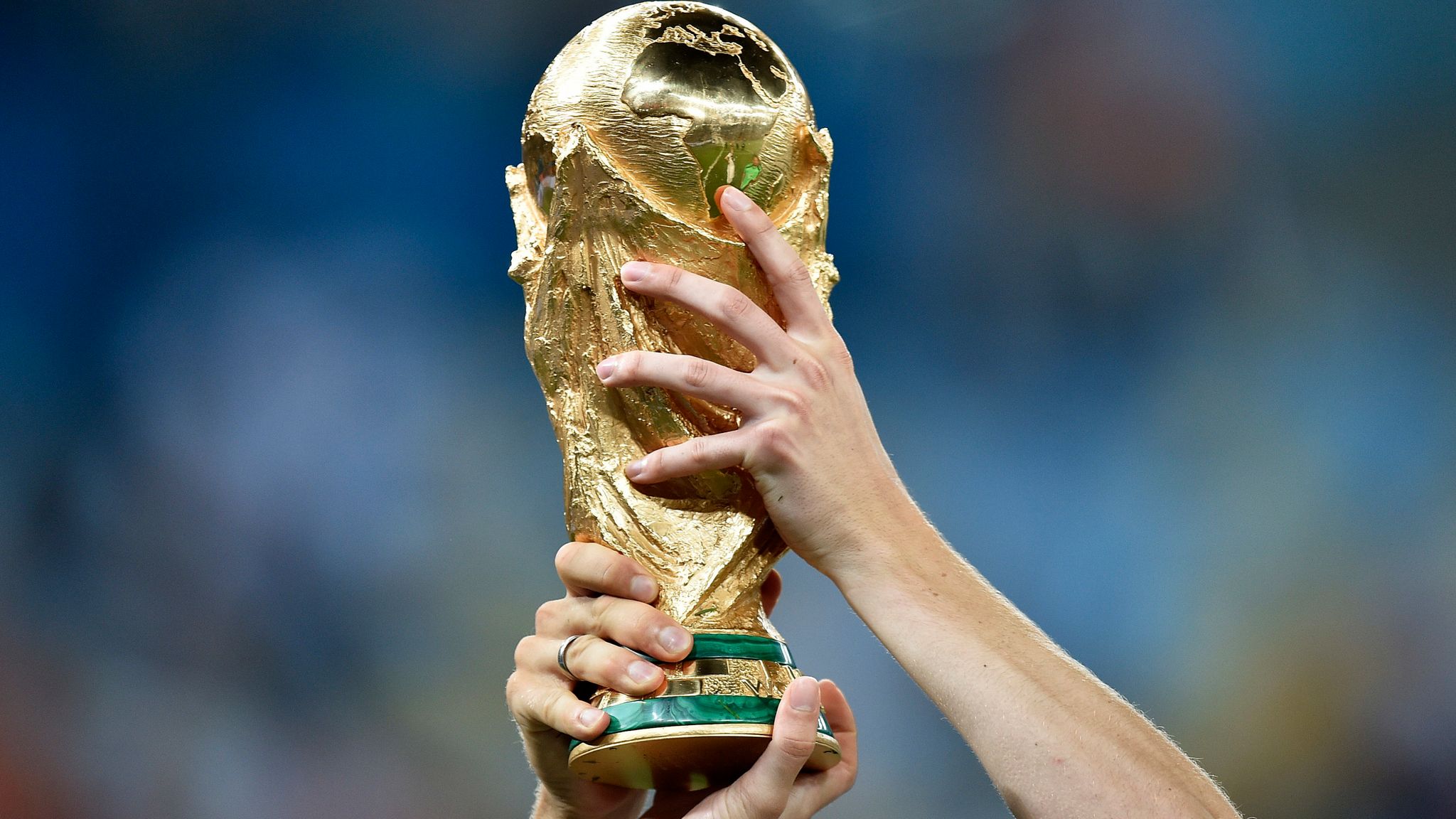
The whistle blew on June 11. Three host countries. Forty-eight teams. One hundred and four matches. The 2026 FIFA World Cup is the largest sporting event ever staged, and wrapped around it is the most expensive marketing competition the world has ever seen. According to WARC Media, brands are pouring an additional $10.5 billion in global ad spend into this single moment. Everyone with a budget wanted a piece of it. But budget was never the issue. Showing up was easy. Mattering was not. Within the first few weeks, the tournament made one thing clear: scale does not equal success. The brands that won understood the fan first. The ones that stumbled either misjudged the moment or forgot that this tournament plays by its own rules. And the most interesting marketing of the summer didn't happen in a paid ad slot at all. It happened in how brands responded to constraints.
The Biggest Marketing Stage on Earth
Some context on the size of the bet. This is the first World Cup hosted by three nations, the first to field 48 teams, and the first to stretch across 16 host cities and 104 matches. The projected global audience sits somewhere around six billion people. There is no bigger room to be in. But a bigger room doesn't mean a clearer signal. Per YouGov, only about 40% of U.S. followers actively notice tournament sponsors at all. And most of the people watching aren't giving the broadcast their full attention anyway. They have a phone in hand, half their focus already somewhere else. The stage was enormous, but the crowd showed up distracted and a little skeptical, which is far harder to win than a crowd that's simply large.
Translation: the audience was enormous, distracted, and skeptical. The brands that broke through didn't win by being loud. They won by being clear.
What the Winners Got Right
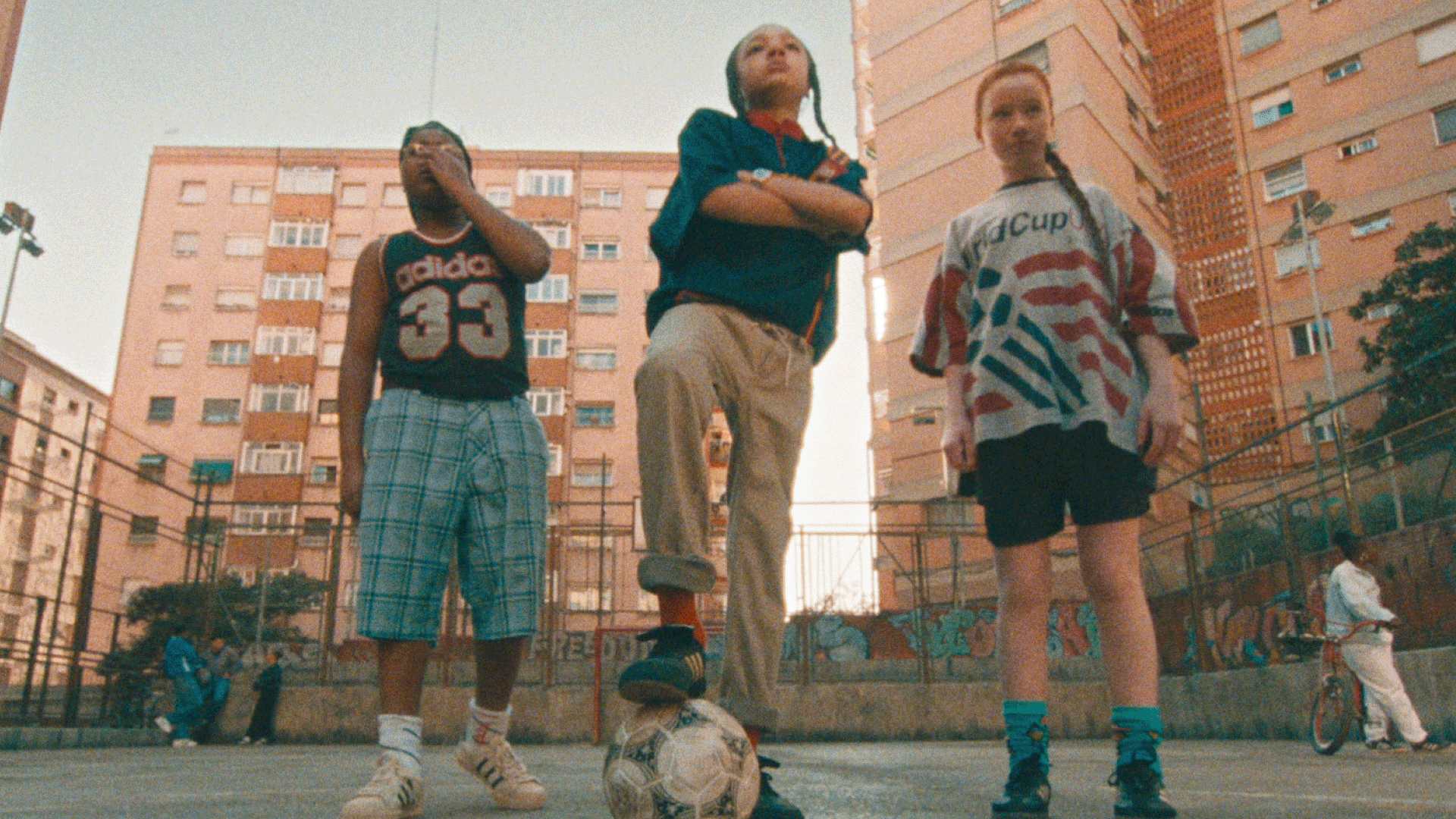
Adidas set the bar early with "Backyard Legends." Instead of putting Messi, Bad Bunny, Lamine Yamal, and Timothée Chalamet inside a stadium, it put the game back where most fans first fell in love with it: the street, the backyard, the neighborhood pickup match. The message was that legends are born in ordinary places. The brand reportedly sold around $292 million in World Cup product before a single match kicked off. The principle is simple. Meet fans where the game actually lives, not where the cameras point. Lay's ran two plays at once. Its global "No Lay's, No Game" platform spoke to lifelong fans, while a U.S.-specific spot called "Bandwagon" did something smarter. Starring Will Ferrell, it invited casual and first-time viewers to skip the gatekeeping and just show up. In a country still warming to the sport, that was the right read. The principle: speak to the diehard and the newcomer in the same breath, because both are watching. Coca-Cola took the patient route with "All the Feels," three films rolled out across six months, with the product kept in the background and the emotion pushed to the front. LEGO went the opposite direction and won anyway, gathering Messi, Ronaldo, and Mbappé around a table to build a LEGO World Cup trophy, then ending the film on a child finishing the build. It pulled roughly 314 million views across the players' accounts in 24 hours. The lesson in both cases is the same. Range and restraint beat one loud ad, and an A-list cast only works when it ties back to what your brand actually is. Nike may have made the most telling choice of all. It skipped the cinematic hero film that usually launches its tournament marketing and instead ran a 12-week social-first rollout, opening with 42 autographed Polaroids posted across its channels. The point wasn't one big swing. It was present, week one through the final. In a second-screen tournament, that's the more durable strategy.
Creativity Under Constraint: The Stadium Cover-Up
Here is where the tournament got genuinely interesting, and where the winners-and-stumbles divide became impossible to miss.
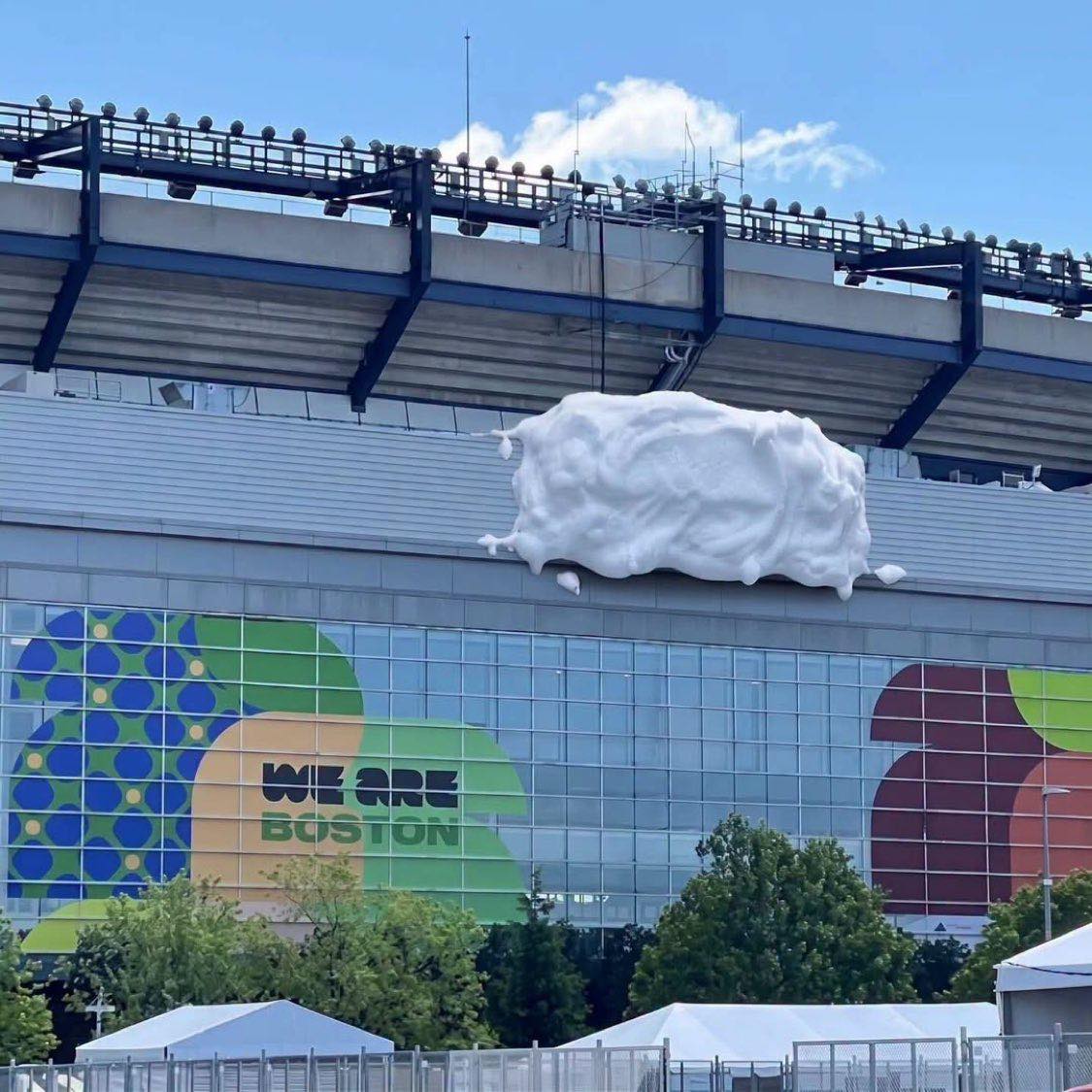
FIFA enforces a longstanding "clean stadium" policy. Every host venue must drop its corporate naming-rights name and conceal any non-sponsor branding, so that only official partners, who pay up to $200 million for a four-year deal according to Sports Business Journal, get visibility. The policy is written directly into venue contracts, it overrides existing naming-rights deals, and the cost of covering everything falls on the stadium owners. The Athletic reported the FIFA venue contract runs more than 100 pages. Roughly 15 sponsor-named venues were temporarily renamed. Most brands treated this as a problem. One treated it as an opening. Levi's Stadium in Santa Clara became "San Francisco Bay Area Stadium" for the tournament. Its giant logo was covered with a white tarp, but the tarp was cut in the exact shape of the brand's iconic Batwing silhouette. Still instantly recognizable. The rules said cover the logo. They never said how. Levi's leaned all the way in, changing its social profile pictures to the covered-up logo, draping matching white sheets over storefronts in Paris, London, Brazil, Mexico, and Hong Kong, and posting the stadium cover-up set to the "nobody's gonna know" audio. A brand that had been told to disappear made itself the story instead. Lumen Field in Seattle, temporarily "Seattle Stadium," ran the same play in a different key. With branding stripped from the roof, screens, signage, seats, and even the trash bins, Lumen's CMO posted a good-humored video documenting the entire removal process. Compliance became content. Now the contrast. At Gillette Stadium in Foxborough, rebranded "Boston Stadium," crews simply taped over the small Gillette logo on roughly 64,000 seats, and at one point covered a logo in shaving foam. Functional, forgettable. At Mercedes-Benz Stadium in Atlanta, the three-pointed star atop the retractable roof couldn't be covered without risking structural damage to the panels, so after about a year of negotiation FIFA granted it the tournament's only logo exception. And at MetLife Stadium in New Jersey, host of the July 19 final, the local committee pushed back on covering the logos on more than 80,000 cupholders, citing cost, and FIFA's request there went unmet.
Same rule. Five very different answers. Some complied at face value. Some found the gap between the letter and the spirit. A couple turned the restriction into a competitive advantage. That gap is where brand thinking actually lives.
When Brands Missed
Not every big swing connected. The cautionary tale predates this tournament but still applies: Mastercard's "Goals for Meals" campaign in a prior cycle was pulled after public backlash, a reminder that a World Cup tie-in still has to feel authentic, or the scale of the stage simply amplifies the misstep. The quieter miss in 2026 was inaction. Early in the window, more than half of the roughly 20 official sponsors had released little or nothing, including, at the time, names like McDonald's and Kia. They had paid for the rights and then let faster brands shape how the tournament felt. The principle is blunt. A sponsorship you don't activate isn't a strategy. It's an expense.
You Don't Need a Sponsorship to Win
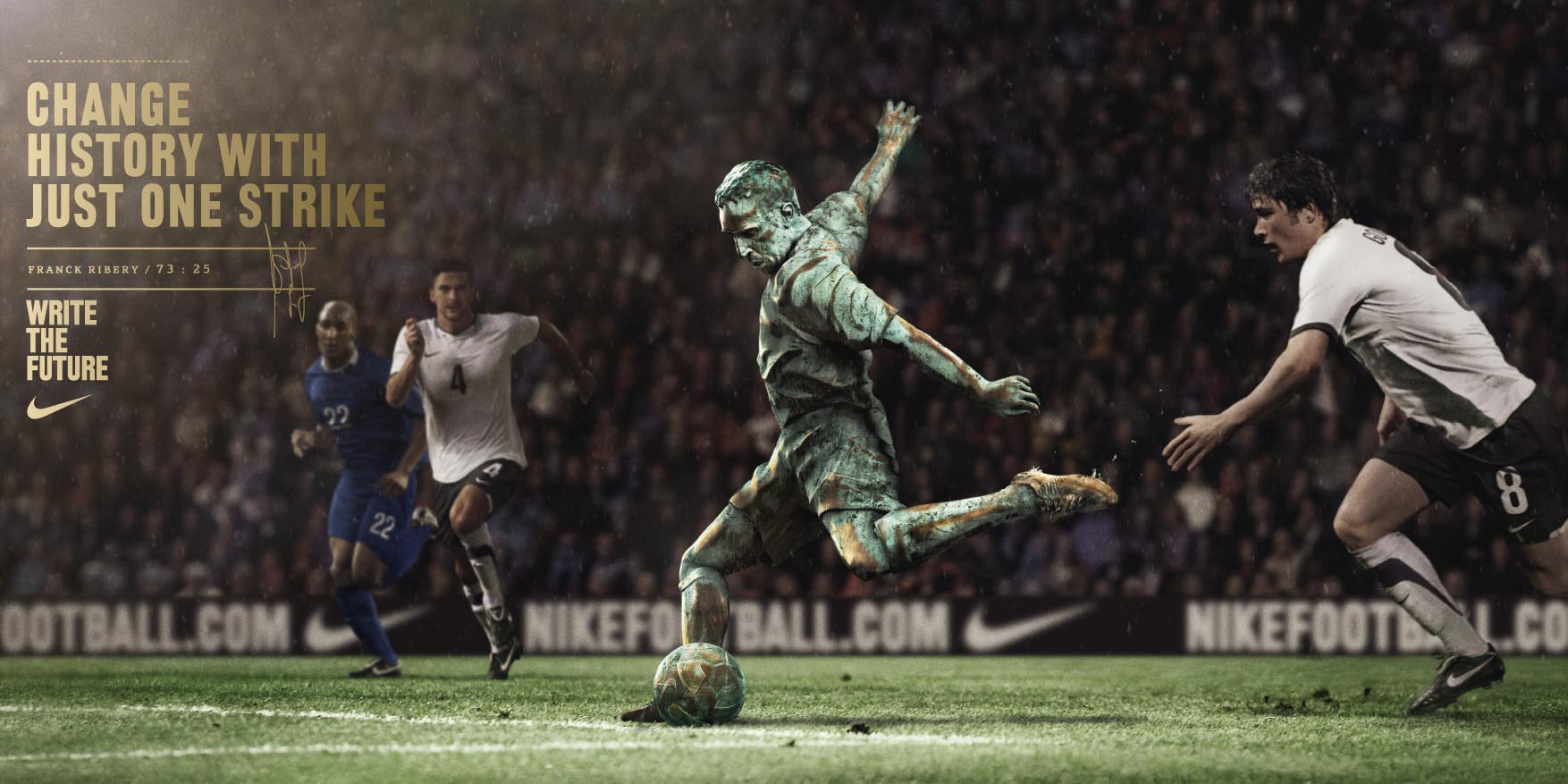
The most durable proof of that sits back in 2010, when Nike's "Write the Future" generated around 40 million views and 1.9 billion impressions and won the Cannes Film Grand Prix, all without any official FIFA sponsorship. It owned the conversation without owning the rights. Levi's 2026 cover-up is the modern echo of that same idea. This matters because of FIFA's protected marks. Non-partners can't use official trademarks, which is precisely why the clever responses are the ones worth studying. Levi's didn't borrow FIFA's logo. It used its own silhouette. Nike didn't claim sponsorship. It told a better story. Both won attention without crossing the line, which is the only kind of win that lasts.
The Real Takeaway
Strip away the celebrity casts and the nine-figure budgets and one pattern holds across every example. The brands that scored started from the fan, not the spend. Adidas understood where the game lives. Lay's understood who was newly watching. Levi's understood that a constraint, handled with wit, can be louder than an ad. The brands that stumbled either bought the stage and forgot to use it, or pushed a message the moment never asked for. You don't need a World Cup budget to apply any of this. You need a clear idea of who you're actually talking to, the discipline to say one thing well, and the creativity to treat your limits as material rather than obstacles. That's not a soccer lesson. That's the whole job.
At The Morris Group, that's the work we care about most: helping brands find the clear, human idea underneath the noise, and making sure it's the thing people remember. Budgets vary. The principle doesn't.
Sources:
WARC Media (2026 global ad spend forecast); YouGov (World Cup 2026 sponsor awareness data); Sports Business Journal (FIFA sponsorship deal values); The Athletic (FIFA clean-stadium venue requirements); and brand campaign reporting from Brand Innovators, DesignRush, Marketing Dive, and The Drum.